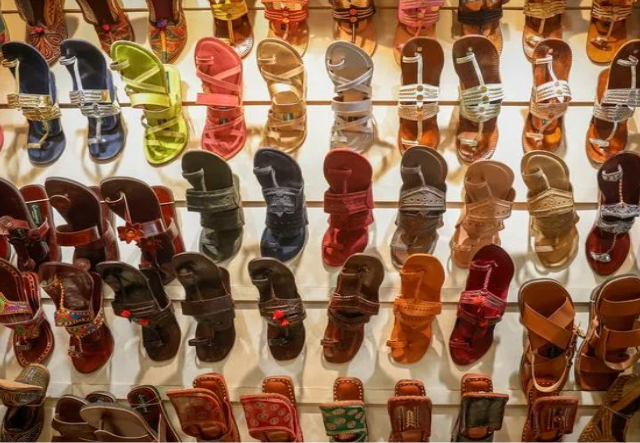

In June 2025, Prada’s Spring/Summer 2026 menswear show introduced an open-toe leather sandal that quickly moved beyond the runway. Observers noted its close resemblance to the traditional Indian Kolhapuri chappal, a centuries-old handcrafted footwear design from Maharashtra. Within days, what began as a fashion launch evolved into a broader debate around cultural heritage, authorship, and luxury brand responsibility.
This report analyzes how that transformation unfolded through global online media and what the data reveals about reputation risk in the luxury sector.
Media Spike and Escalation of the Prada Kolhapuri Controversy
Using Sensika’s media monitoring and analytics capabilities, we identified a pronounced spike in coverage immediately following the Milan Fashion Week debut. Compared to other major luxury fashion houses during the same period, Prada experienced a disproportionate surge in attention, indicating the scale of the controversy and its resonance across markets.
As the story spread, the narrative expanded across multiple dimensions. Commentary moved from product design critique to questions of cultural appropriation, economic fairness, and supply-chain ethics. International outlets such as The Guardian reported on accusations that Prada was capitalizing on traditional Indian craftsmanship without proper recognition, amplifying the backlash beyond fashion circles and into mainstream global debate.
Indian artisans and trade bodies voiced concerns about recognition and compensation, while international media coverage intensified. The issue transitioned from niche fashion reporting into global mainstream visibility, a key signal in effective crisis monitoring strategy.
Media Sentiment Analysis and Luxury Brand Reputation Risk
Media sentiment analysis within the report maps how tone shifted over time. Initial criticism gained traction across digital platforms, followed by a second wave of coverage after Prada acknowledged the design’s inspiration and entered discussions with artisan representatives. Reuters later reported on Prada’s outreach and exploration of collaboration with Indian footwear artisans, marking a turning point in the public narrative.
The report presents a structured view of the controversy’s lifecycle:
- The initial product reveal and early media reaction
- The escalation phase marked by amplified international attention
- The role of stakeholder voices in shaping public perception
- The impact of brand acknowledgment and outreach on coverage patterns
Beyond the immediate case, this analysis demonstrates how structured online reputation management and media sentiment analysis support risk identification, narrative tracking, and response evaluation. In high-visibility industries such as luxury fashion, reputational exposure can escalate rapidly across interconnected media ecosystems. Data-driven brand monitoring allows organizations to detect early signals, measure sentiment dynamics, and assess when coverage begins to stabilize.
The Prada–Kolhapuri case serves as a focused example of how luxury brand reputation is shaped, challenged, and recalibrated in a global digital environment.
Read the full report below to explore the detailed timeline, sentiment distribution, keyword analysis, and media attention patterns that defined this controversy.