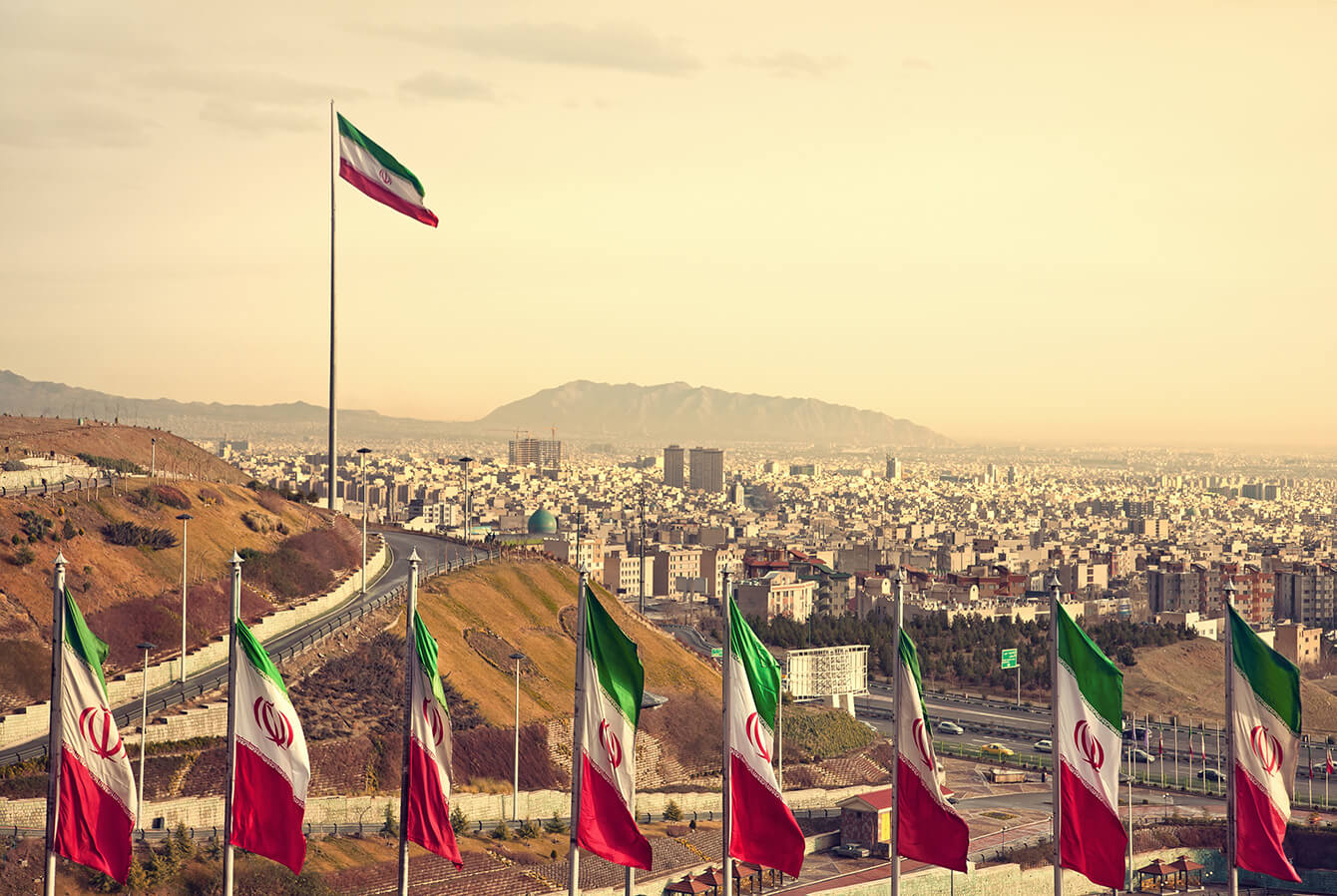

During the Iran war, Farsi-language discourse on X did not function as a stream of spontaneous public reaction. It behaved as a live political battlefield where competing actors fought to shape legitimacy, patriotism, sovereignty, foreign pressure, and Iran’s political future.
Sensika’s latest report, The Battle for Iran’s Narrative, analyzes large-scale wartime conversations across the Persian-language information space on X, including hashtags, engagement dynamics, mentions, replies, routing behavior, and amplification patterns.
The findings suggest that wartime discourse is not random or purely reactive to military developments. Instead, it is structured around competing political formations attempting to define how the war should be interpreted, who has the right to speak for Iran, and what political future should emerge from the conflict.
What the Report Examines
The report examines how different actors compete to:
- shape public legitimacy
- pressure media organizations and political figures
- amplify or suppress narratives
- influence perceptions of escalation
- attach competing political meanings to the same wartime events
The analysis also explores how anti-war messaging, blackout campaigns, protest narratives, and discussions around political transition become contested informational territory during periods of conflict and uncertainty.
Why Wartime Narrative Competition Matters
Replies, mentions, and hashtag campaigns serve not as passive reaction spaces but as active tools of narrative contest, legitimacy-building, and political pressure.
For analysts, journalists, policymakers, geopolitical-risk asesment teams, and organizations tracking the Middle East information environment, the report provides a structured window into how narrative competition plays out across Persian-language digital platforms during wartime.