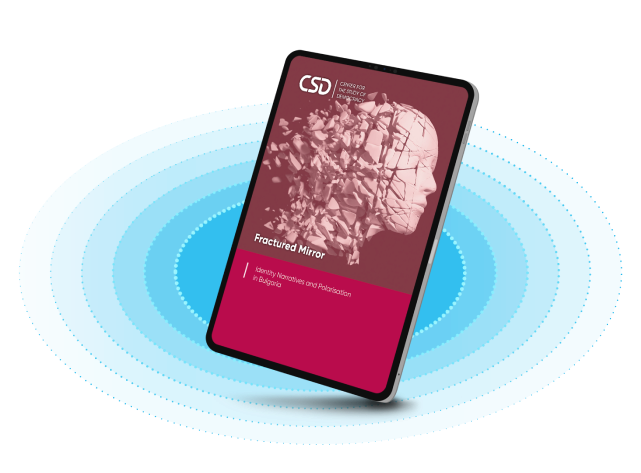

Fractured Mirror examines how identity-based disinformation has become a central vector of polarisation in Bulgaria’s digital information environment. The report maps how pro-Kremlin and domestic actors exploit gender, sexuality, national identity, and cultural anxieties to deepen societal divisions and weaken democratic resilience.
Produced by the Center for the Study of Democracy (CSD), the study analyzes amplification patterns across online media, Telegram channels, and YouTube ecosystems between January 2023 and May 2025.
Gender ideology and the normalisation of polarising narratives
The report documents how narratives framing “gender ideology” as a foreign imposition gained significant media traction. Campaigns positioning traditional values as under threat were amplified across political actors, advocacy groups, and aligned online outlets.
These narratives were frequently framed as a civilisational struggle between Western liberalism and “traditional” value systems, reinforcing polarised identity binaries within Bulgarian public discourse.
Targeting women in public life
Fractured Mirror highlights sustained disinformation campaigns directed at women in politics and journalism. Content often shifted attention away from professional credentials toward personal lives, appearance, or family roles — reinforcing gendered stereotypes and discouraging public participation.
The report also notes the increasing use of AI-generated content and manipulated media to discredit public figures, demonstrating how emerging technologies are integrated into existing influence playbooks.
Weaponising refugee identities
A dedicated section examines gendered disinformation targeting Ukrainian refugee women in Bulgaria. Narratives portraying refugees as opportunistic, manipulative, or socially destabilising were amplified across online media and Telegram.
These campaigns intersected with broader pro-Kremlin messaging, contributing to social hostility and weakening solidarity toward displaced communities.
The localisation of the manosphere
The study investigates the rise of Bulgarian-language manosphere communities and Red Pill–inspired influencers. Misogynistic narratives are repackaged as “self-improvement” or lifestyle advice, embedding extreme anti-feminist ideologies within monetised digital ecosystems.
The report argues that these networks contribute to the gradual normalisation of authoritarian gender politics among younger audiences.
Why it matters
Fractured Mirror demonstrates that identity-based disinformation in Bulgaria is not episodic but systemic. It operates through coordinated digital infrastructure, cross-platform amplification, and narrative recycling mechanisms that reinforce polarisation across multiple social fault lines.
The findings underscore the need for:
- Stronger enforcement of the Digital Services Act
- Linguistically competent content moderation
- Coordinated national counter-disinformation strategies
- Targeted media literacy and youth engagement initiatives
Sensika’s contribution
To assess mainstream amplification of identity-based narratives in Bulgarian online media, the report used Sensika’s media intelligence platform to monitor over 2,500 Bulgarian news websites between January 2023 and May 2025.
The platform enabled structured measurement of narrative volume, outlet clustering, and thematic spikes across gender, climate, and minority-related topics. This large-scale monitoring supported the identification of amplification networks and systematic narrative patterns within Bulgaria’s online ecosystem.
All findings, interpretations, and policy recommendations remain those of the Center for the Study of Democracy.
Access the full report
Fractured Mirror provides a comprehensive assessment of identity-driven disinformation networks and their impact on democratic resilience in Bulgaria.